Arboretum

Main Content

Learn More About Our Conservation Efforts

We are proud to be accredited as a level I Arboretum by the Arbnet Arboretum Accreditation Program within the Morton Register of Arboreta, which is a collection of public gardens all over the world that showcases many species of trees and woody species for the benefit of science and conservation.
Tree Species Fun Facts

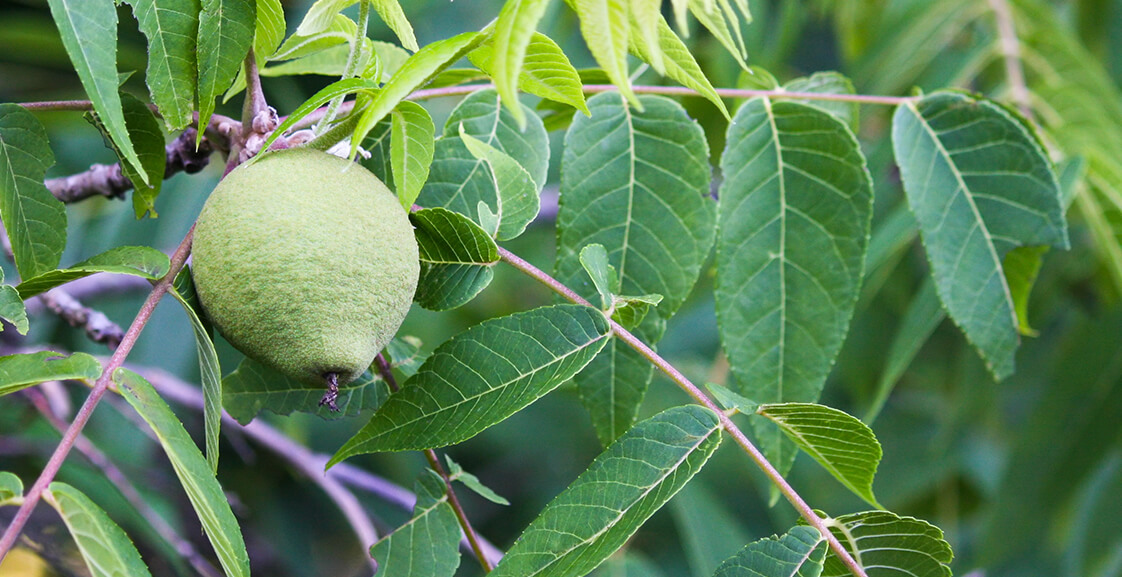
Black Walnut

Juglans nigra

Walnut trees are allelopathic, meaning they excrete a chemical that is toxic to other vegetation, thereby reducing nearby competition.

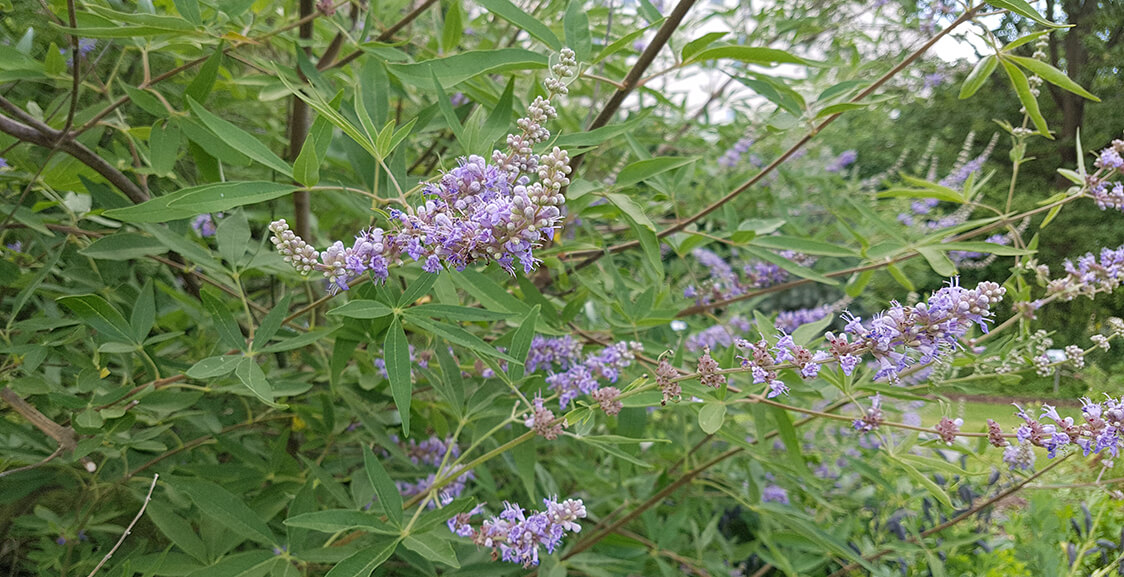
Chaste Tree ‘Shoals Creek’

Vitex agnus-castus

Also known as ‘monks pepper,’ the peppery-smelling fruit was once thought to lower libido, hence the name ‘chaste tree.’ Oils from this tree have anti-microbial and anti-fungal properties.

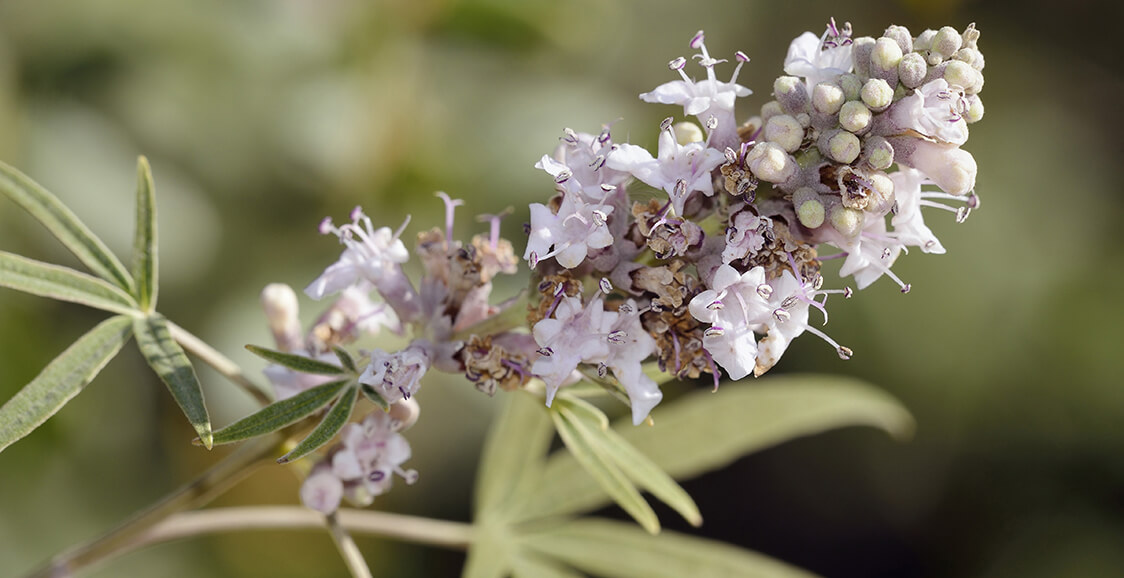
Chaste Tree ‘Daytona Heat Dale’

Vitex agnus-castus

This tree is a rare white version of the Vitex tree and is very attractive to butterflies and moths. Its berries smell like pepper and were often crushed to be used as such.

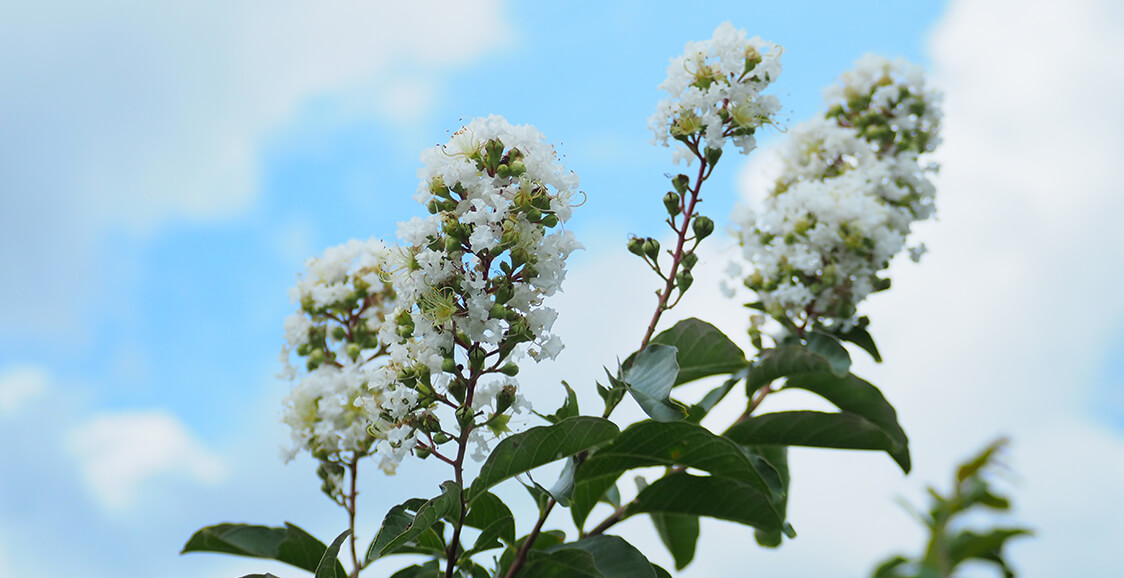
Crape Myrtle ‘Natchez’

Lagerstromia indica x fauriei

Native to India and southeast Asia, crape myrtles have been cultivated to come in every different shape, size and color. Its blooms are used by many species of moths and butterflies for food.

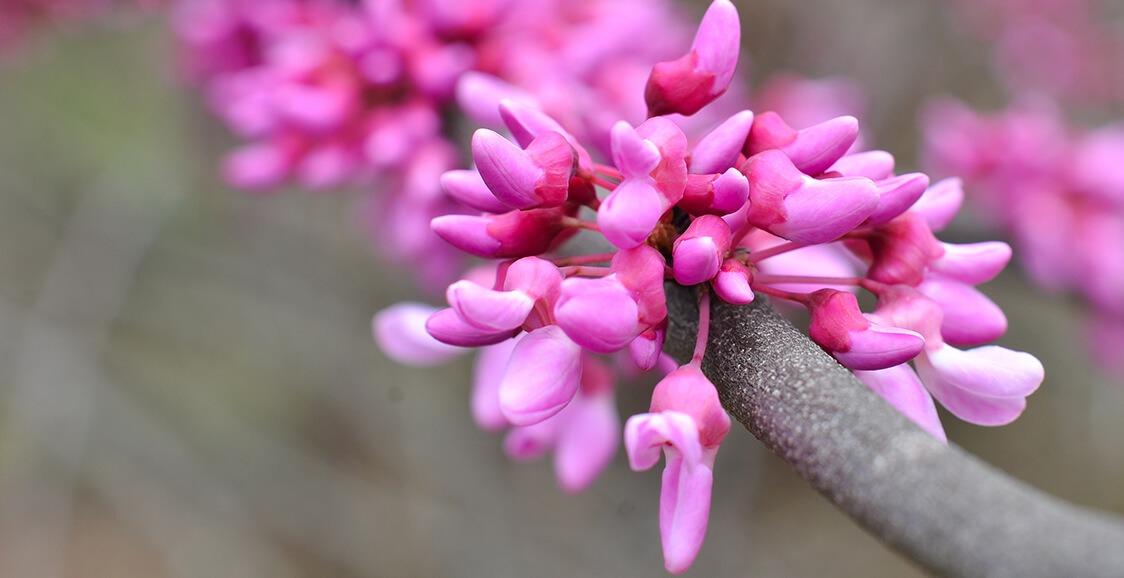
Eastern Redbud

Cercus canadensis

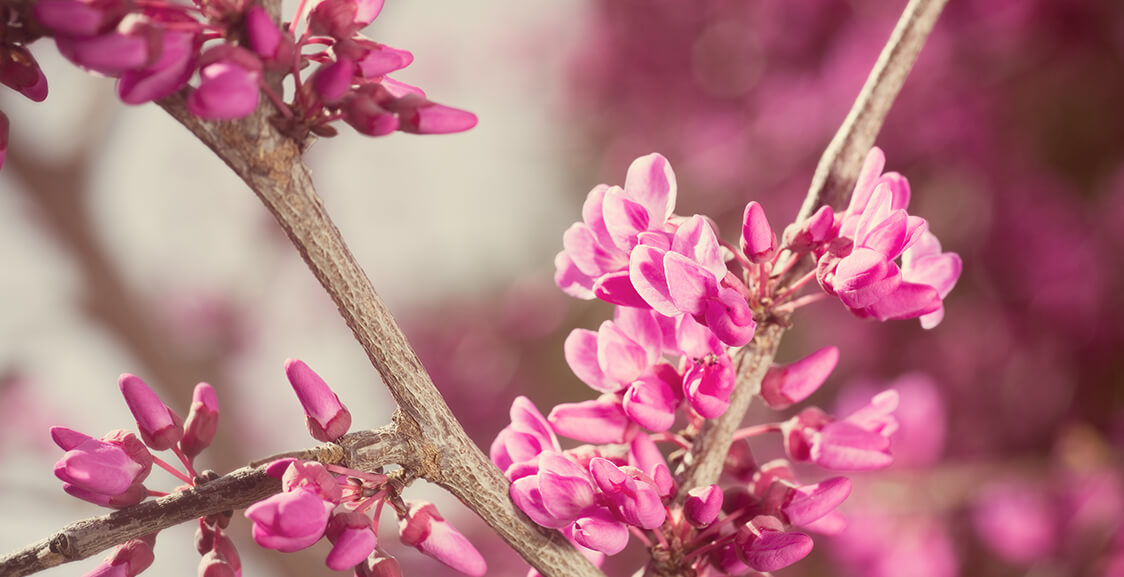
Native to North America, raw or boiled redbud flowers were used by Native Americans as a food source. Carpenter bees are the primary pollinators for redbuds, and certain species of moth caterpillars feed on the leaves.

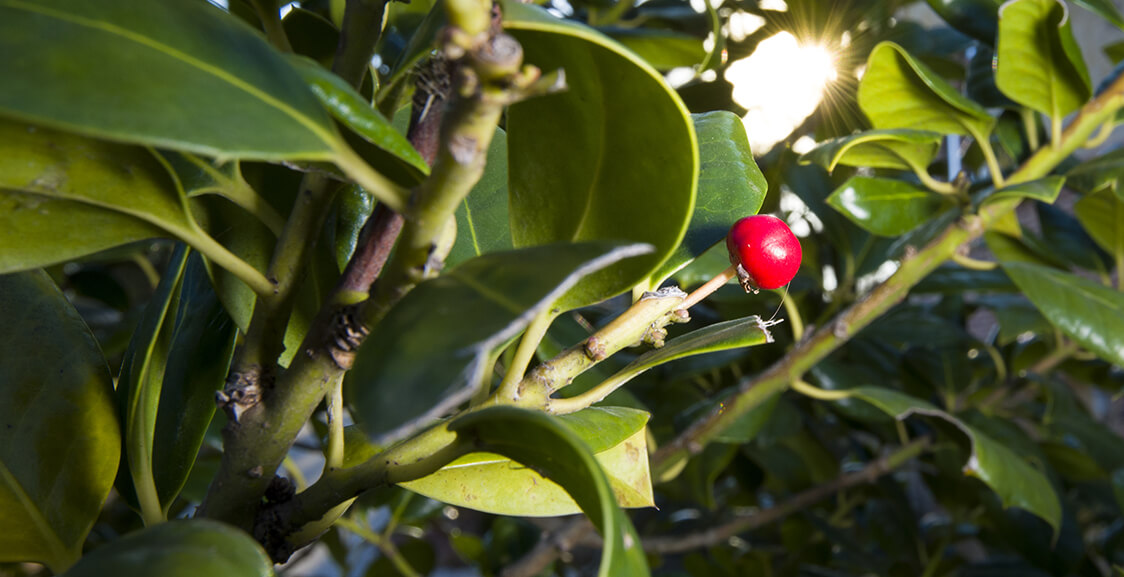
Holly ‘Nellie R. Stevens’

Ilex aquifolium x Ilex cornuta

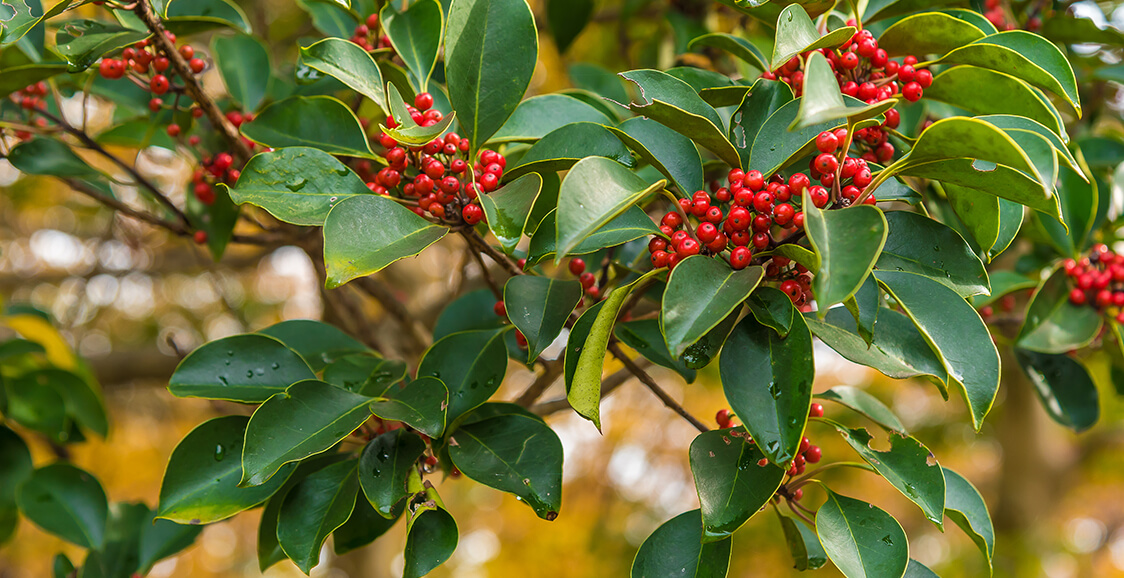
This holly is a cross between an English holly and a Chinese holly, created by the cross pollinating of bees. It is named for the schoolteacher who took a few berries on a visit to the U.S. Botanic Garden in Washington, D.C., in 1900 and planted them at her Maryland home.

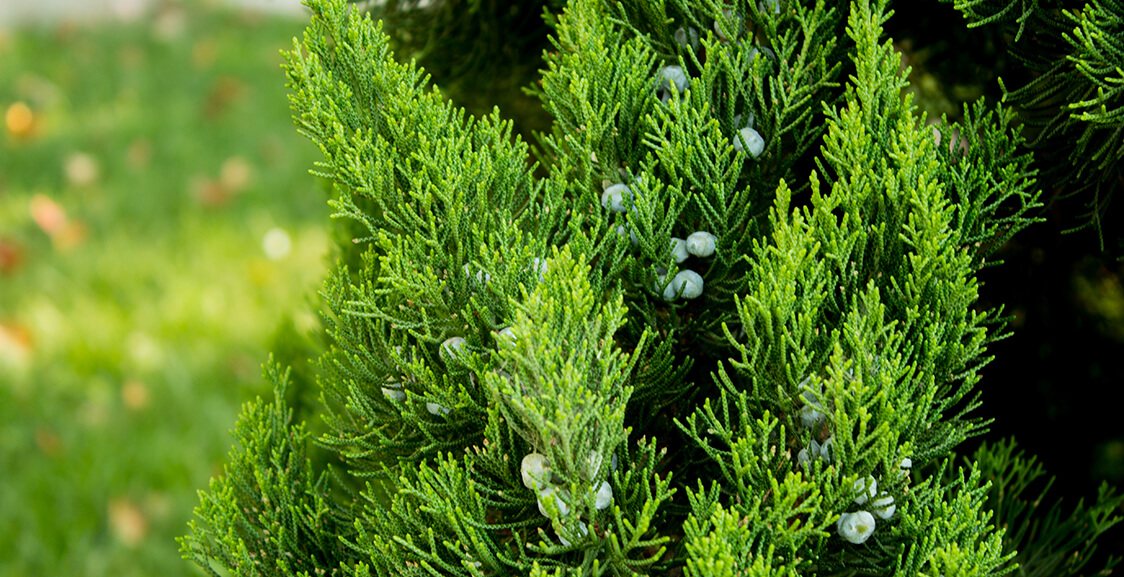
Juniper ‘Brodie’

Juniperus virginiana

This juniper is actually an eastern red cedar and can grow up to 25 feet tall, with bright, feathery foliage.

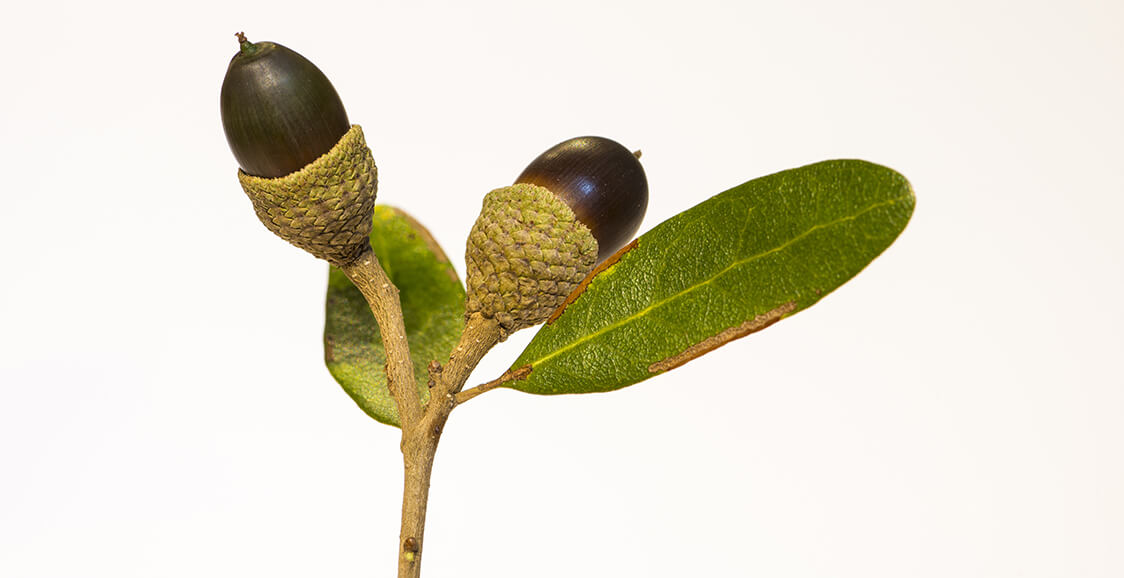
Live Oak

Quercus virginiana

“Live” oak refers to the fact these trees are green during winter. However, they are not a true evergreen and will drop their leaves in spring prior to new leaves emerging. Live oak trees were once the preferred lumber for shipbuilding.

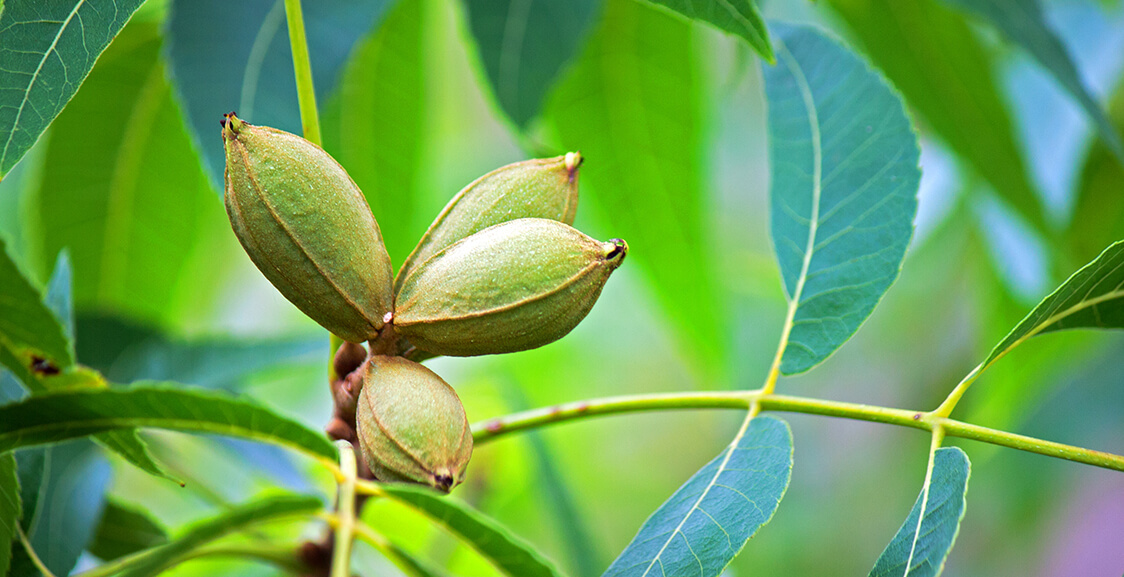
Pecan

Carya Illinoiensis

Native to Mexico and south central United States, this tree is a species of hickory. The word “pecan” comes from the Algonquian word referring to any nut that requires a stone to crack.

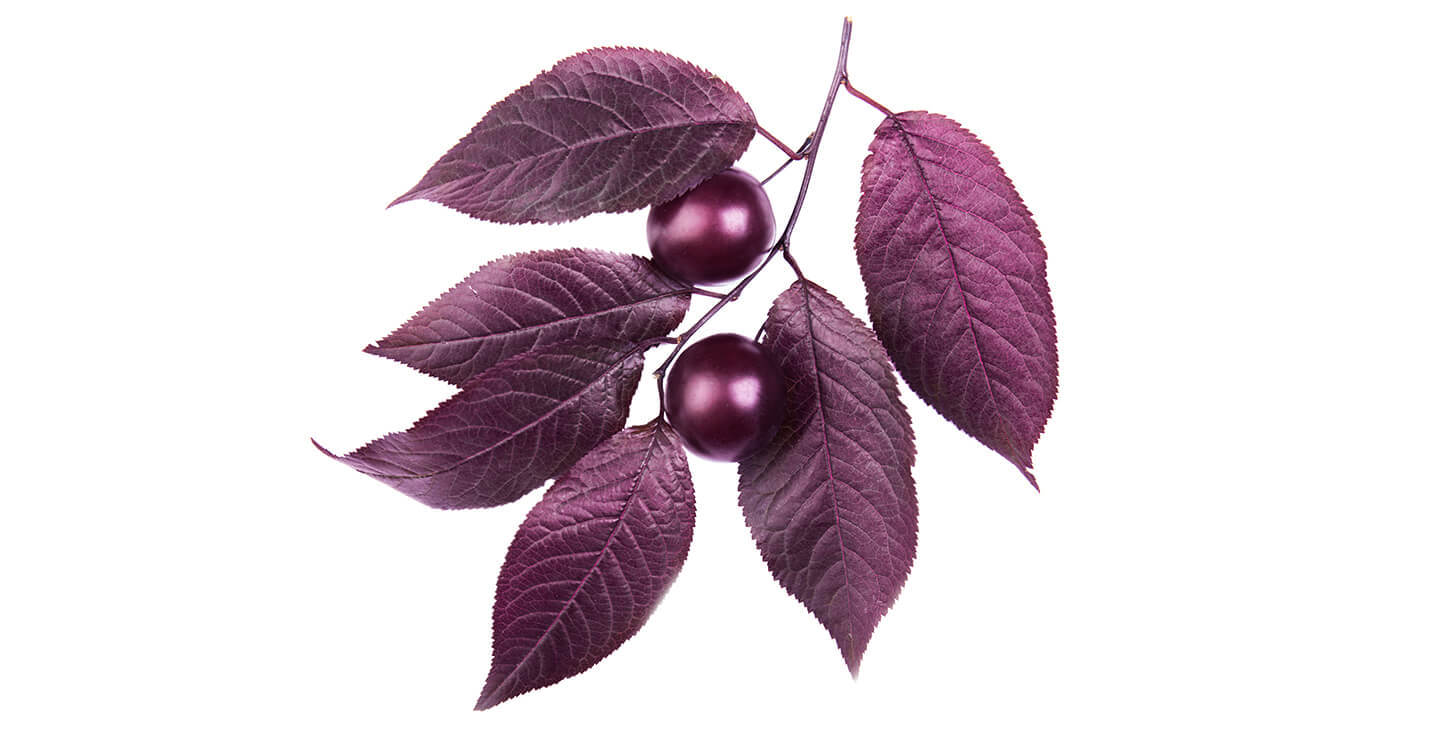
Purple Leaf Plum

Prunus cerasifera

Native to southeast Europe and western Asia, this tree belongs to a group of plum trees known as cherry plums. It may produce fruit that ranges in flavor from very tart to very sweet.

Shumard Oak

Quercus shumardii

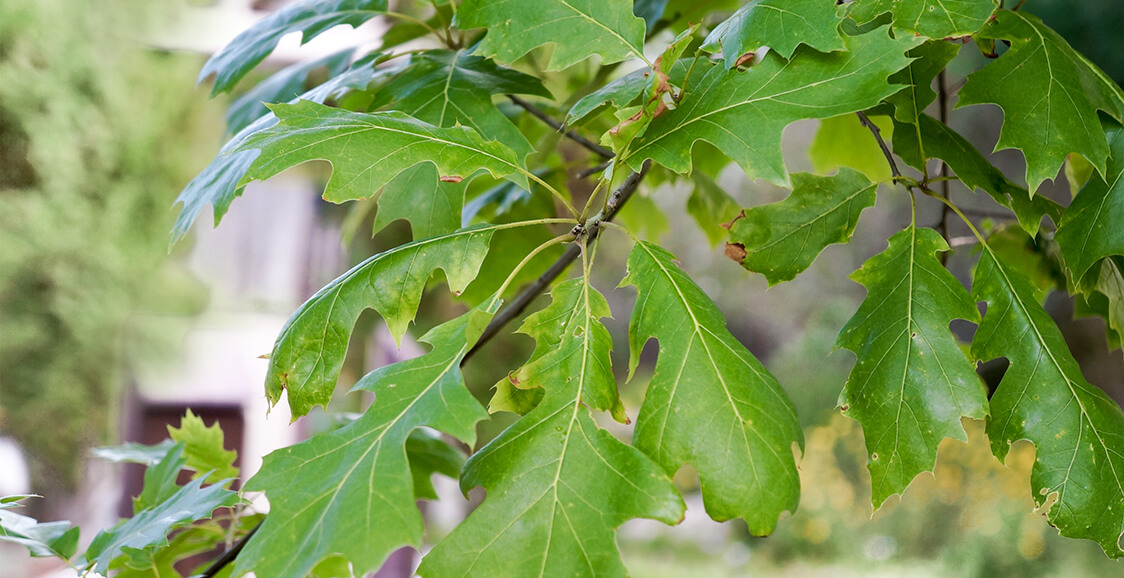
Native to North America, this drought and pH tolerant oak can live up to 480 years. Used for lumber in cabinetry and flooring, it is superior to other varieties of red oak as a lumber source.

Texas Cedar Elm

Ulmus crassifolia

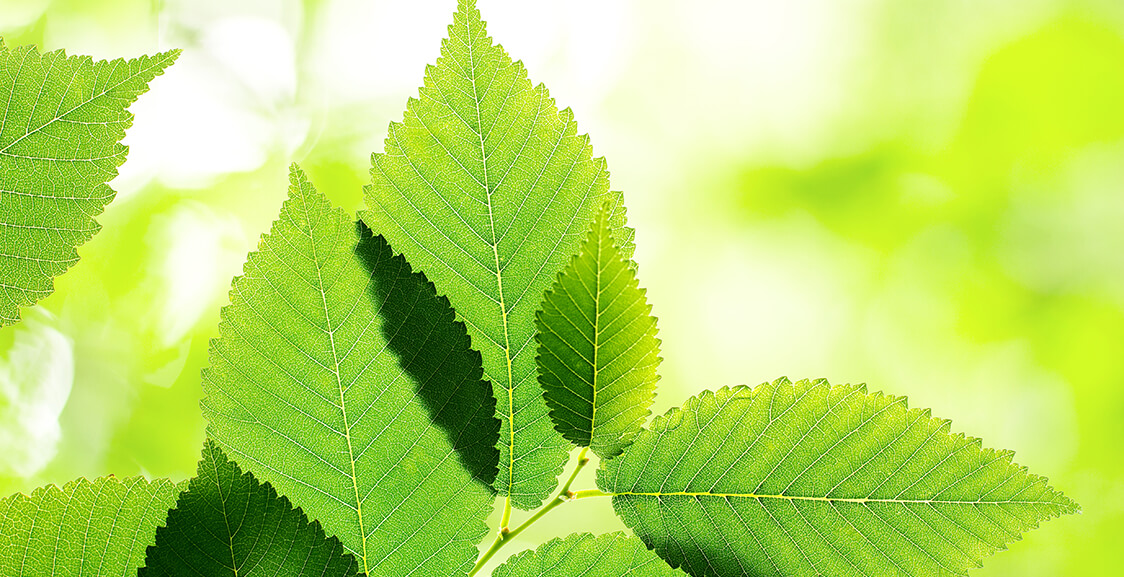
Native to North America, cedar elm is the most common type of elm tree in Texas. It gets the name “cedar elm” due to its association with juniper trees, also known as cedar.

Texas Mountain Laurel

Calia secundiflora

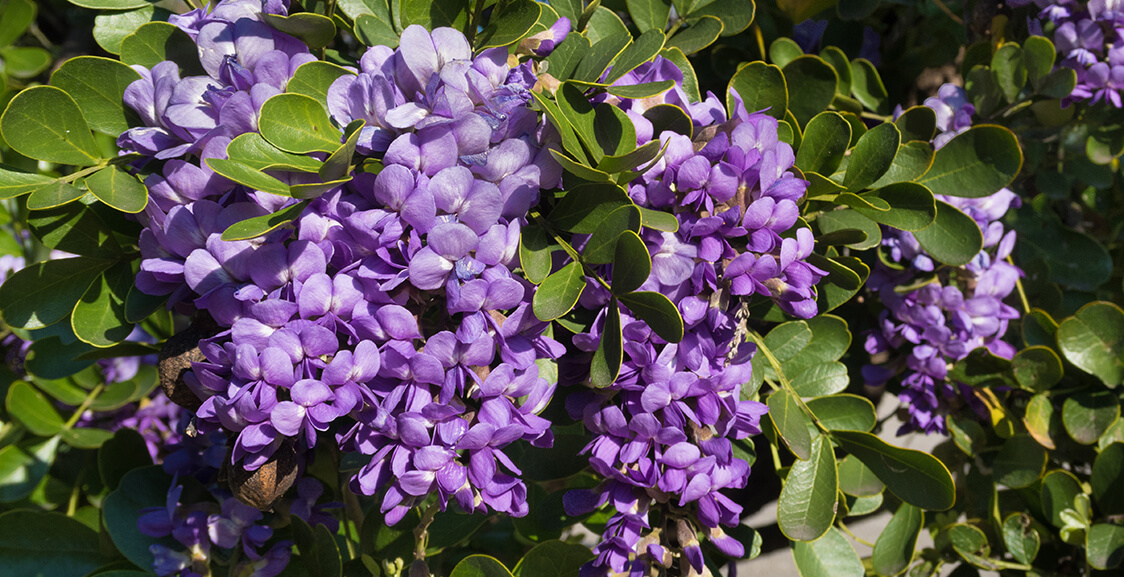
Native to North America, it is a member of the legume or pea family and used only as an ornamental plant. This evergreen has beautiful purple flowers that smell like grape soda. All parts of the tree are highly toxic.

Texas Persimmon

Diospyros texana

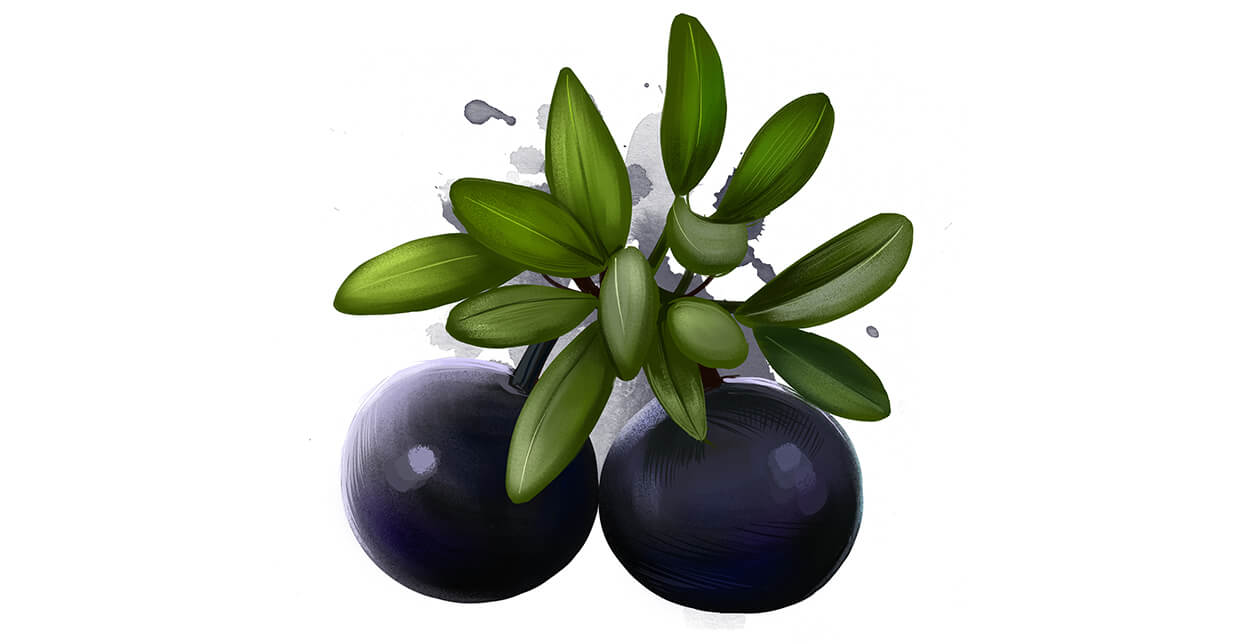
Native to Texas, this fruiting tree has sweet, edible dark purple fruits. Native Americans used the fruit to dye animal hides. It is a host plant for the caterpillars of the Grey Hairstreak and Henry’s Elfin butterflies.

Texas Redbud

Cercis canadensis v. texensis

Native to Texas, this variety of redbud is more drought tolerant and has thicker, glossier leaves than its eastern cousin. A member of the pea family, its beautiful flowers attract pollinators.

Yaupon Holly

Ilex vomitoria

Deriving its name from the word “yop,” meaning “tree,” the fruit of this evergreen is an important food source for many varieties of birds, armadillo, skunks and raccoons. Native Americans used the leaves in a tea for a purification ritual in which they would vomit, hence the name “vomitoria.”

Rose Fun Facts

Drift Rose ‘Apricot’

Rosa hybrid

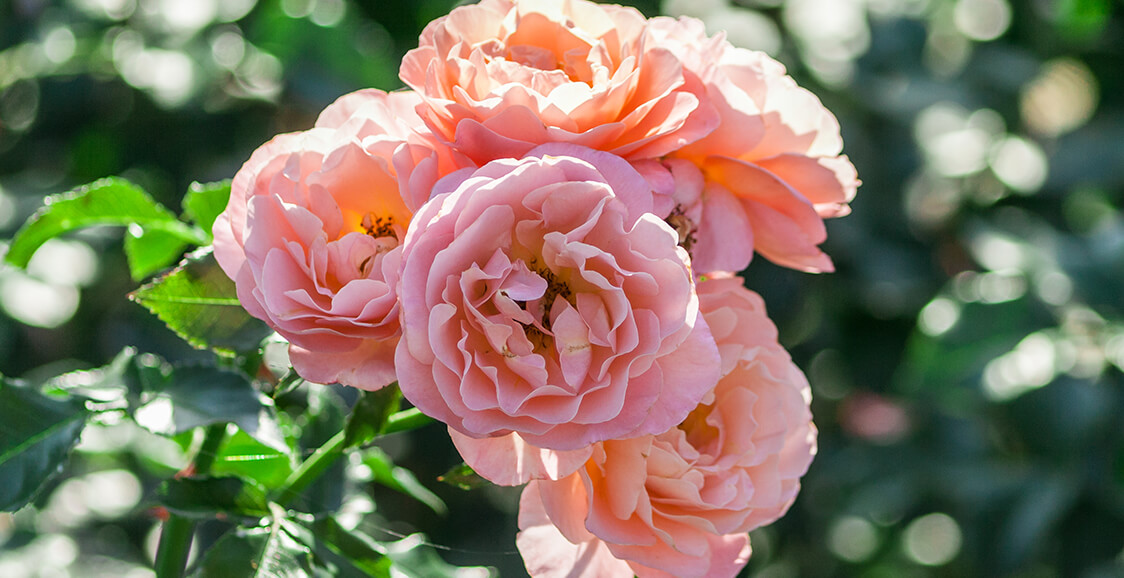
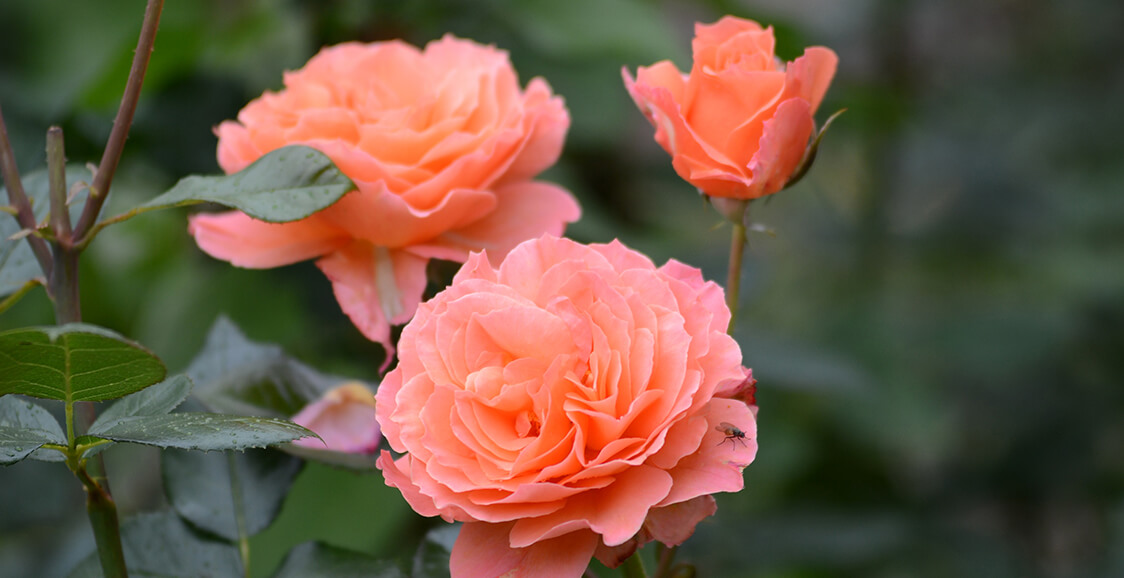
Drift roses are a cross between a miniature rose and a groundcover rose. The lighter color of the apricot rose is attractive to butterflies and bumble bees.

Drift Rose ‘Coral’

Rosa hybrid

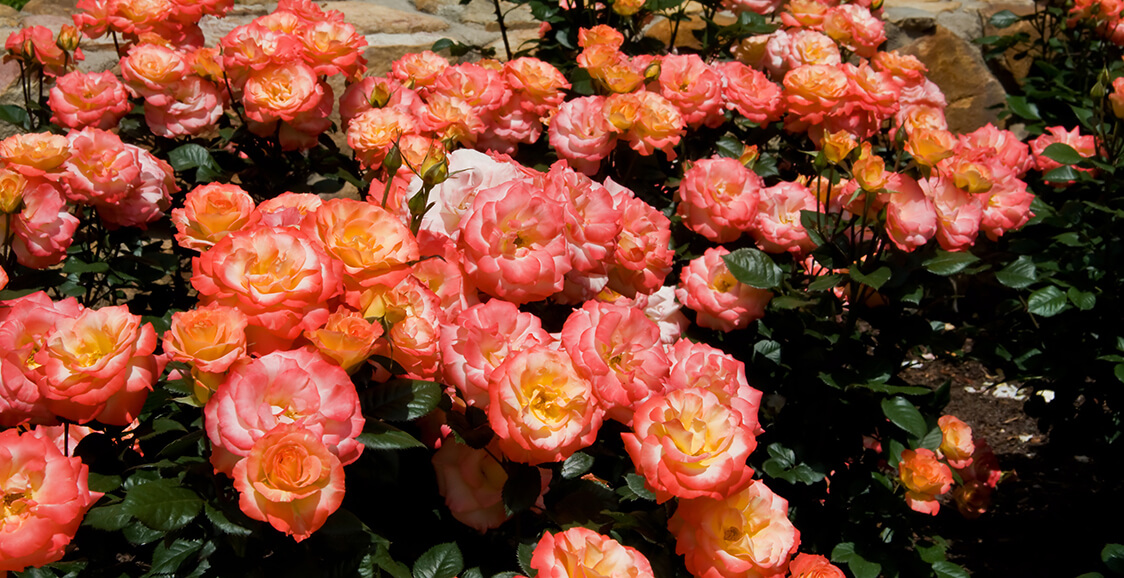
The coral hue provides a pop of color in any garden, and this ground cover rose is very disease resistant.

Drift Rose ‘Peach’

Rosa hybrid

This drift rose is a very hardy cross between miniature and groundcover roses. Ideal for planting on slopes to minimize erosion, this drift rose also has a very tight root system.

Knock-Out Rose ‘White Out’

Rosa radwhite

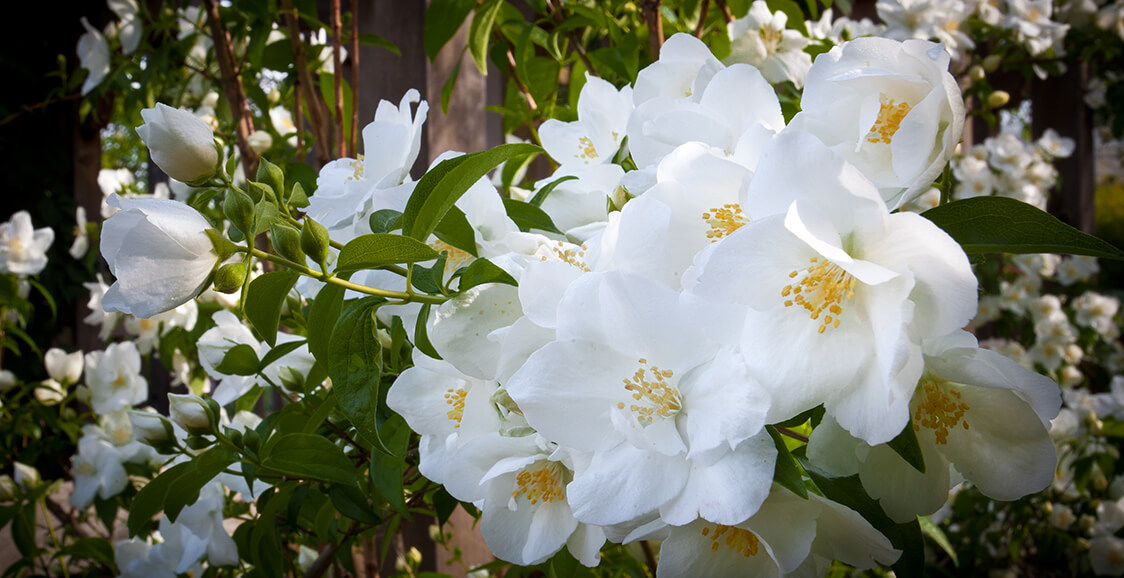
A very disease-resistant variety of rose, this knock-out is not as vigorous in growing as the red and doesn’t require dead-heading.

Knock-Out Rose ‘Red’

Rosa radrazz

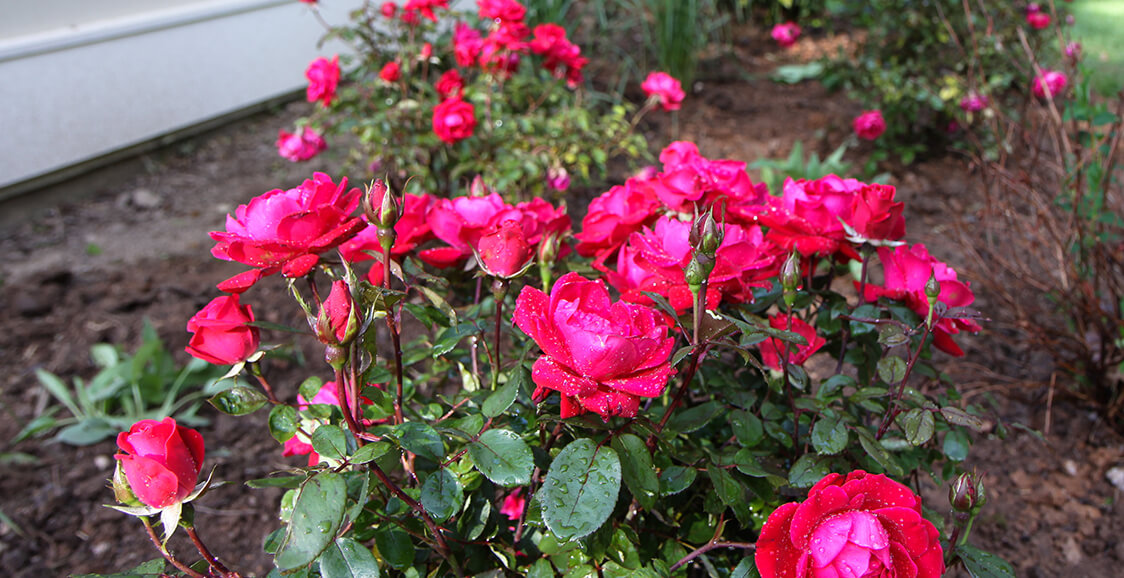
A vigorous rose that requires very little trimming, the red knock-out may be cut like a hedge 2-3 times a year. It also blooms with less than 3 hours of sunlight.

Knock-Out Rose ‘Pink’

Rosa radcon

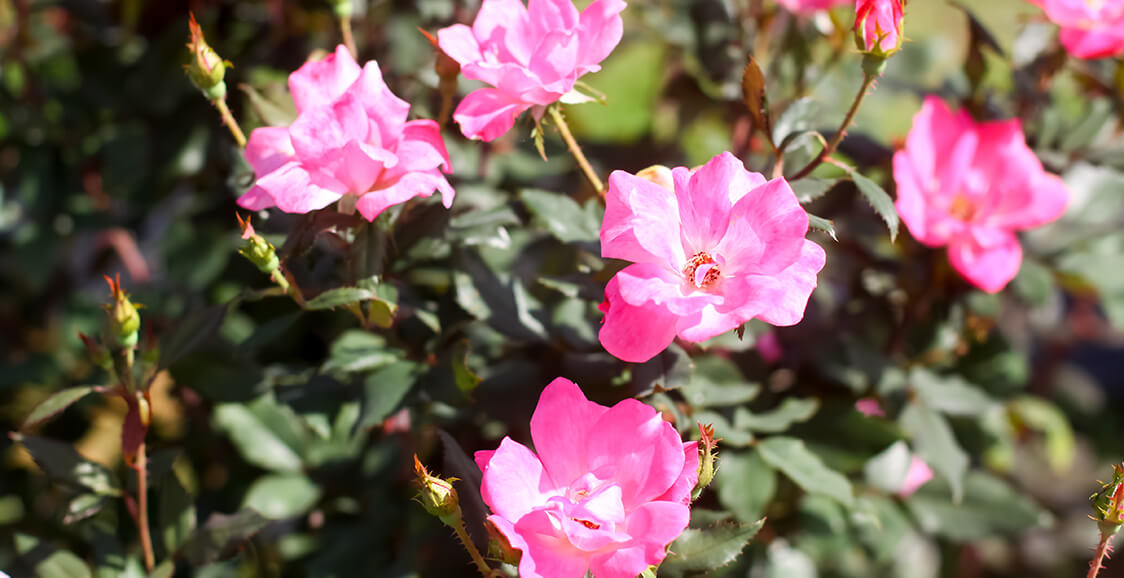
This is a continually blooming rose, but adding fertilizer in the summer will increase production.

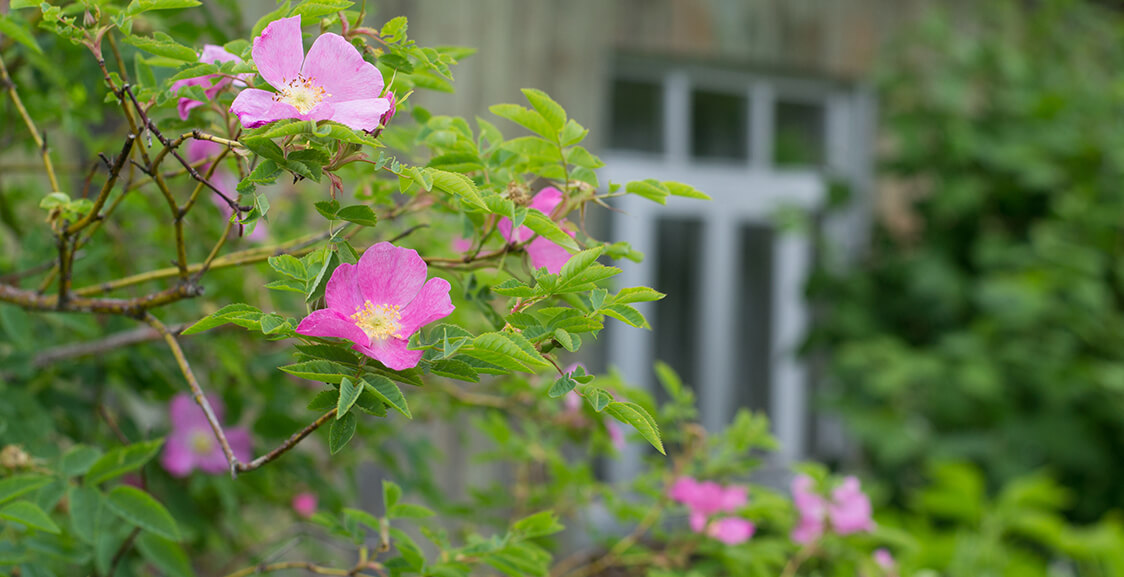
Rose ‘Nearly Wild’

Rosa floribunda

This floribunda rose requires severe pruning to maintain its height, and it does not bloom well in shade. It also has very stiff, prickly roses that can be used as a barrier.

Woody Shrub Fun Facts

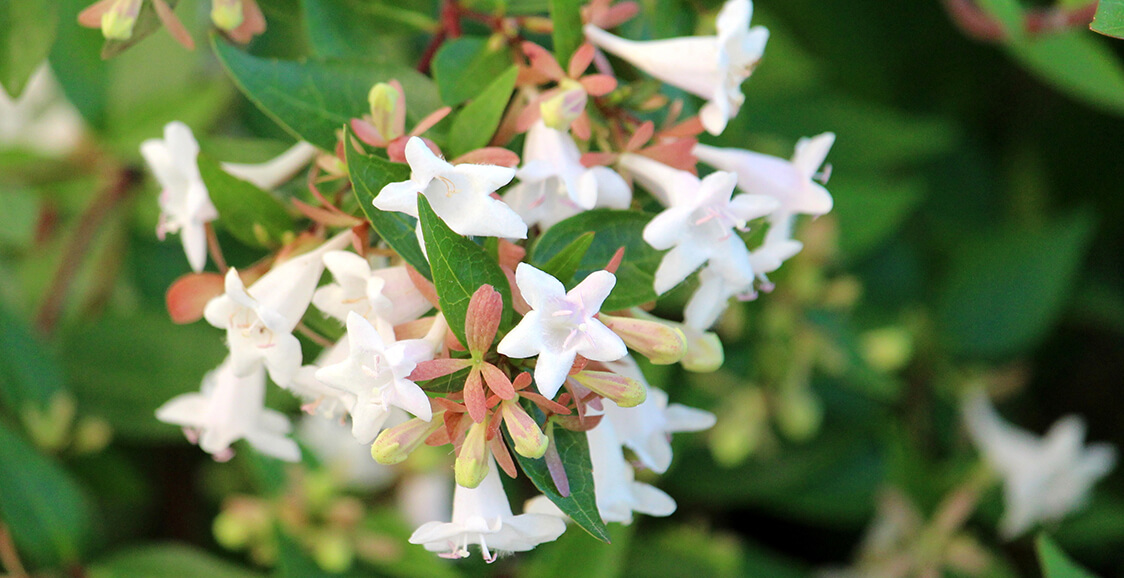
Abelia ‘Edward Goucher’

Abelia grandiflora

A member of the honeysuckle family, this is a semi-evergreen shrub that likes sun/partial shade. It is drought tolerant and attracts butterflies and hummingbirds. It gets its name from Edward Goucher of the U.S. Department of Agriculture, who crossed A. grandiflora with A. shummanni.

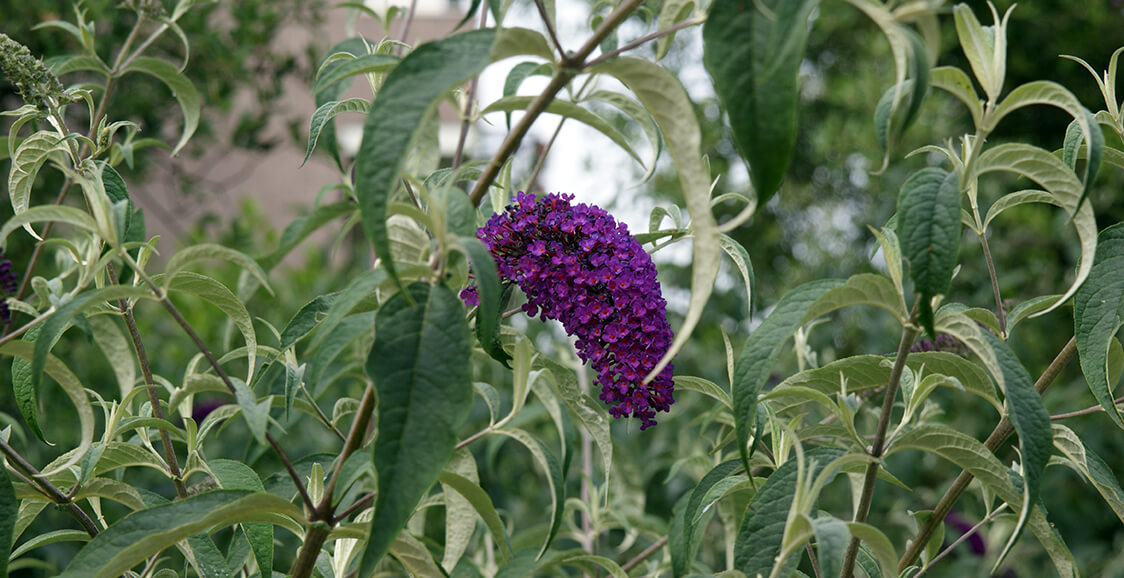
Butterfly Bush ‘Black Knight’

Buddlea davidii

Found on four continents, there are 60 varieties in the United States and all the way south to Chile. They range in size and color and attract hummingbirds, butterflies, bees and moths.

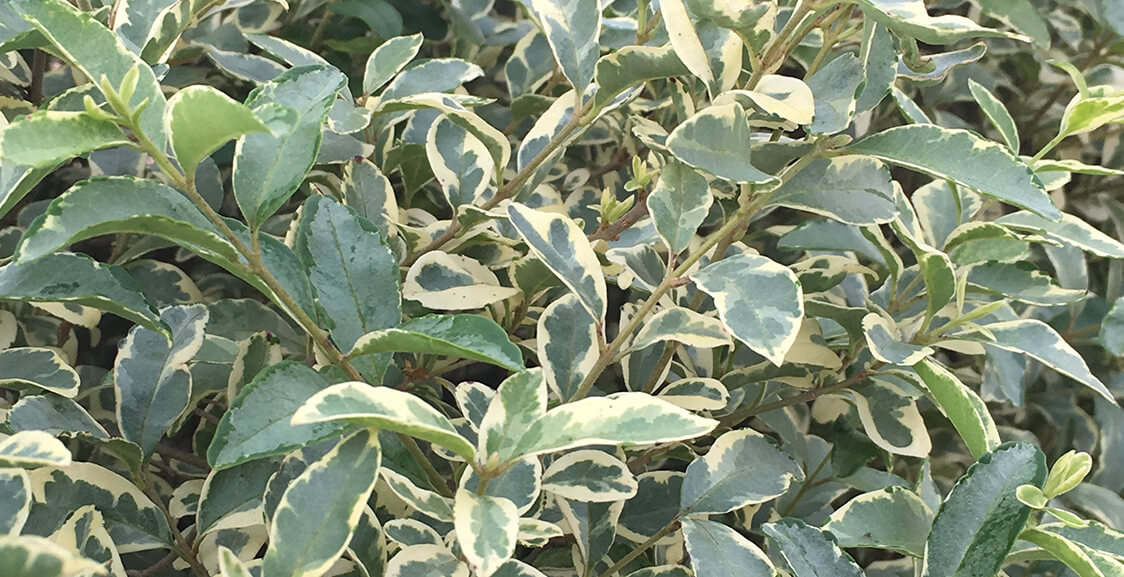
Chinese Privet

Ligustrum sinese

A native to China that naturalized in the south, this shrub is considered an invasive species because of how readily it adapts and spreads.

Indian Hawthorn ‘Olivia’

Rhaphiolepsis olivia

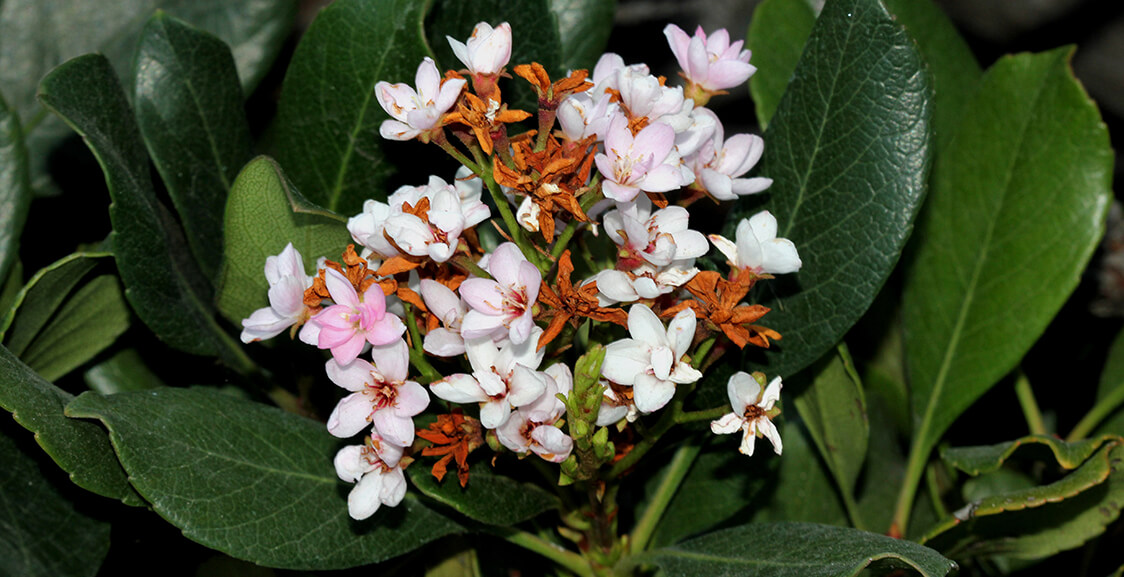
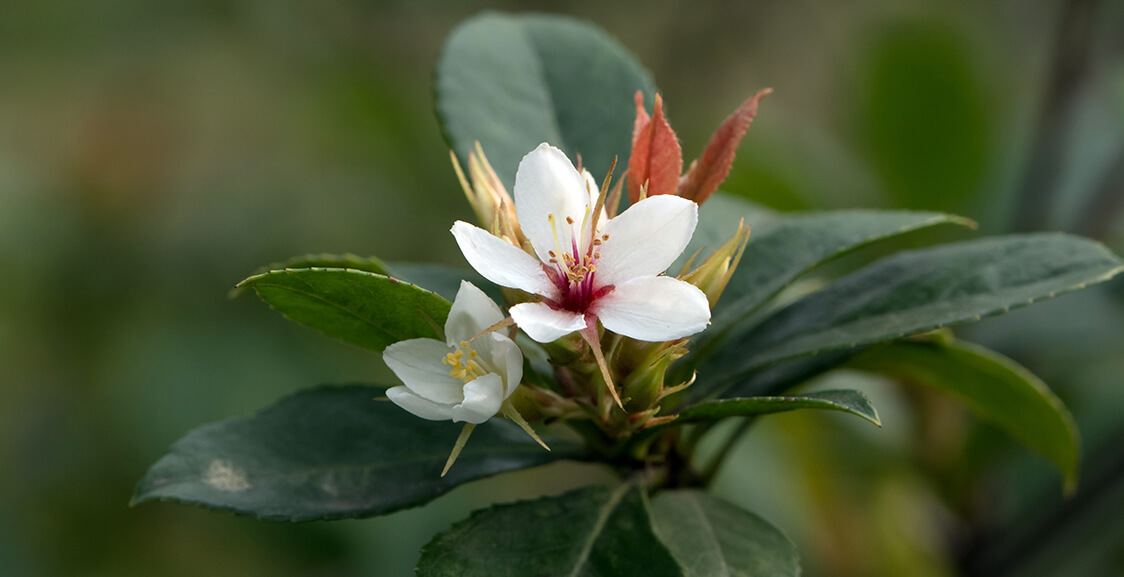
Out of all the varieties of Indian Hawthorn, ‘Olivia’ is the most disease resistant and cold hardy. Beautiful, large dark green evergreen leaves adorn this foundation shrub, and it blooms in an attractive white.

Indian Hawthorn ‘Clara’

Rhaphiolepsis indica

Deer absolutely love feeding on this evergreen shrub. It grows up to 5 feet in height and width, and it has attractive white blooms. The berries of the Indian Hawthorn are also edible.

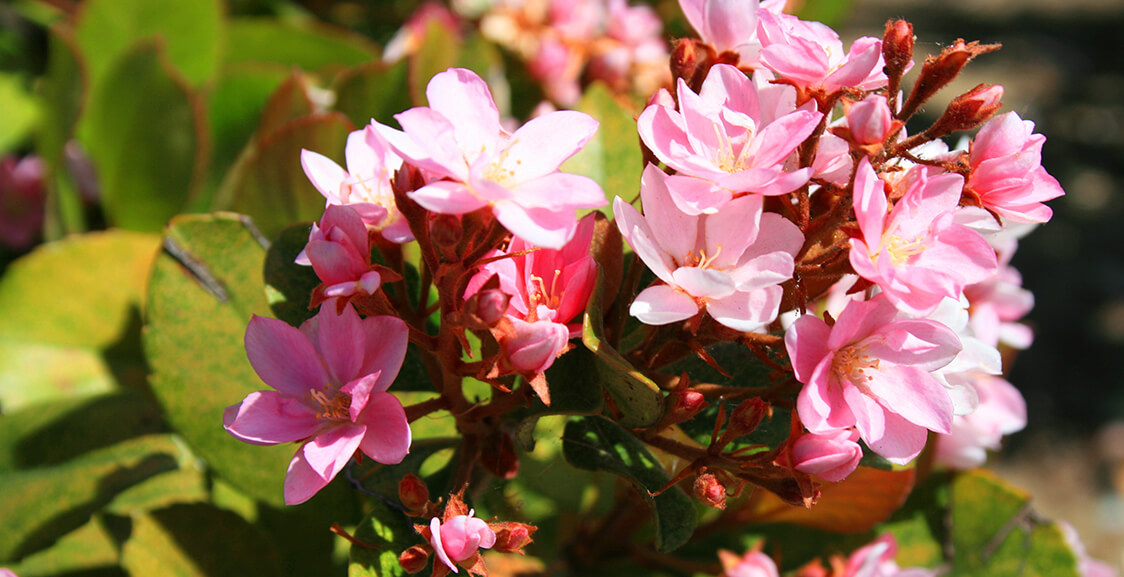
Indian Hawthorn ‘Pinkie’

Rhaphiolepsis indica

Originating in China, this evergreen plant grows up to 6 feet in height and width. This particular cultivar has pink blooms and is also very attractive to butterflies and bees.

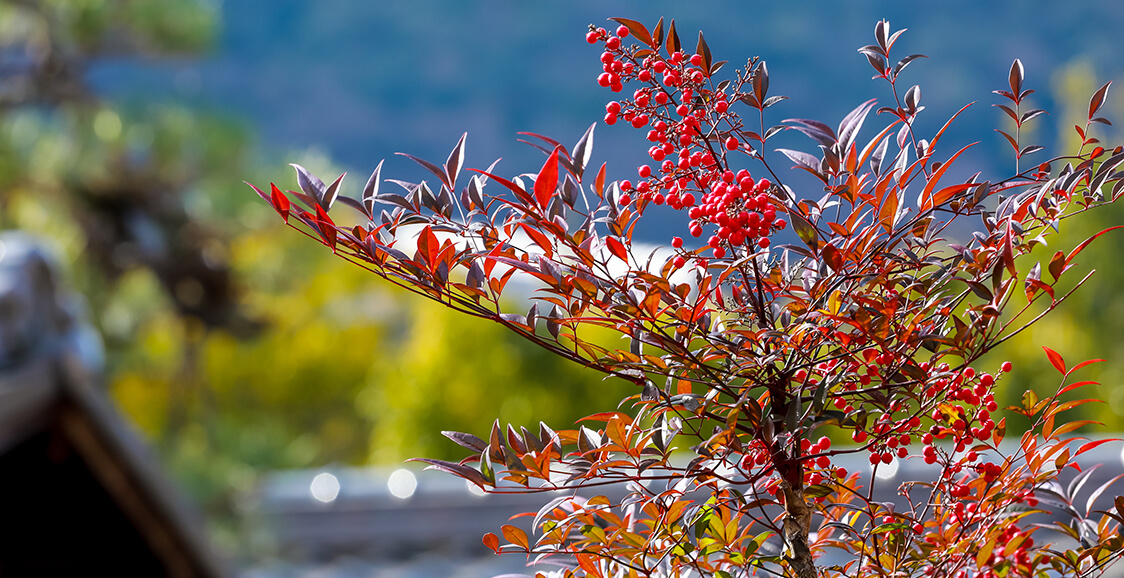
Nandina

Nandina domestica

Native to eastern Asia, all parts of this plant are poisonous, and the berries can be lethal to cats and cedar waxwings. This is considered an invasive species.

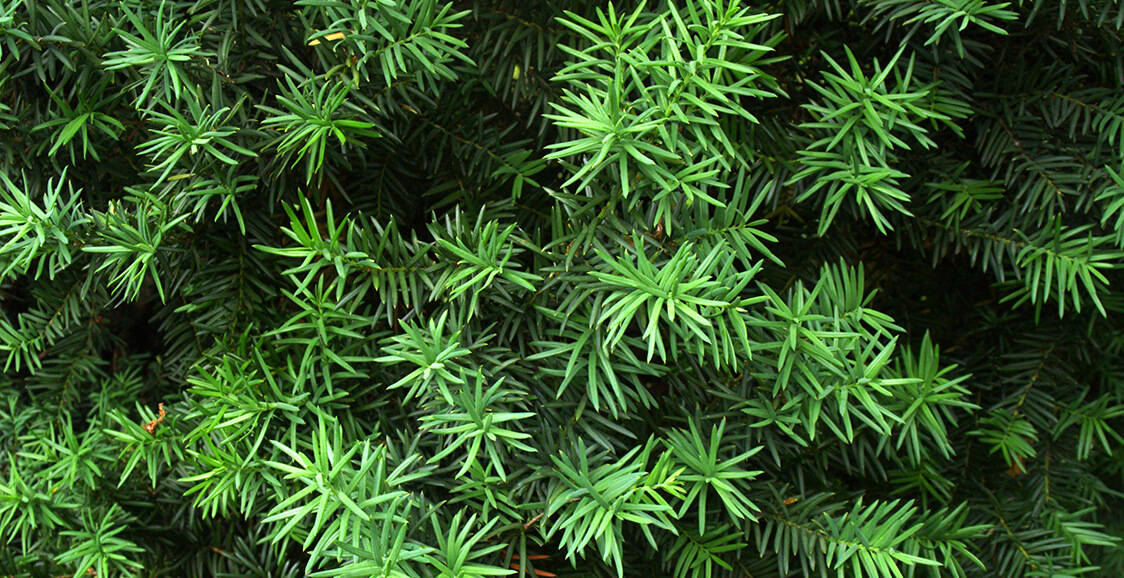
Yew

Cephalotaxus harringtonia

Native to Japan, this shrub is named for the Earl of Harrington. He was the first to grow it in a European garden. Its new specific name is Cephalotaxus drupacea. A compound of its leaves, Omacetaxine, is used as an anti-leukemia drug.